Tribulus During a Cut: Does It Help
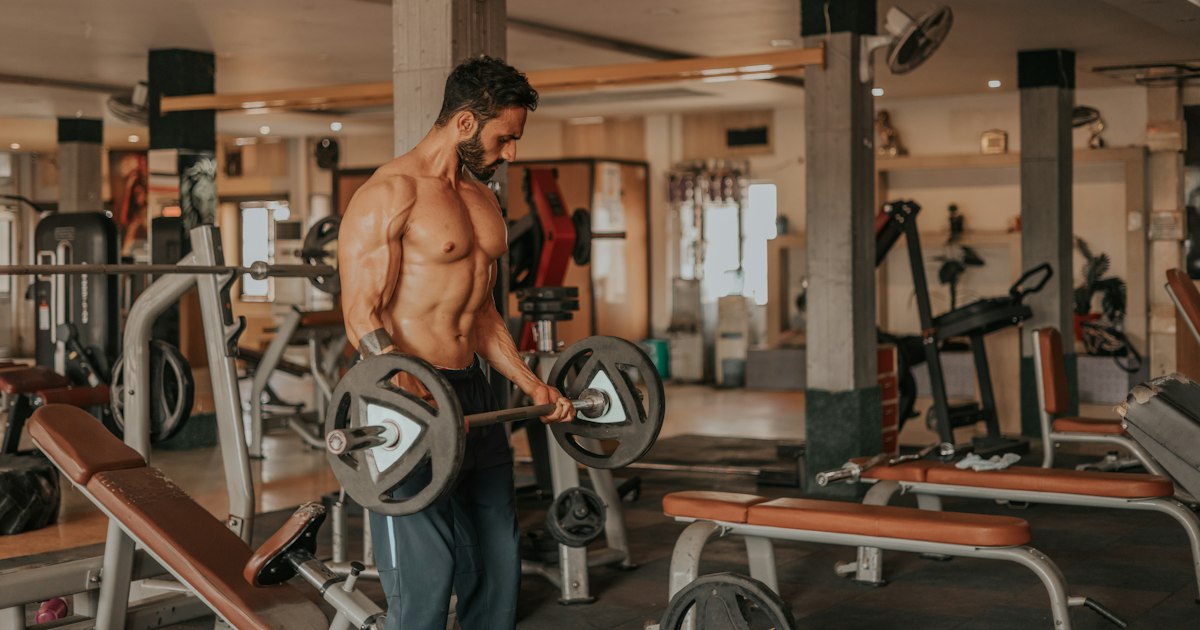
During a cut - a period of reducing body fat with a calorie deficit - athletes look for ways to preserve strength, muscle, and hormonal balance. Tribulus is often marketed precisely as a means to «hold onto testosterone while dieting». The editorial team checked whether this idea has any scientific basis and what is worth knowing before adding it to the diet during a cut.
What happens to hormones during a cut
A prolonged, deep energy deficit is a strong stress signal for the body. In natural bodybuilders during contest preparation, decreases in testosterone, thyroid hormones, and leptin, as well as changes in cortisol, have been described. A review by Helms, Aragon, and Fitschen (2014) describes these adaptations in detail and their relationship to the rate of weight loss and the final body-fat percentage.
The degree of hormonal change depends on the depth of the deficit and how low the body-fat percentage becomes. With a moderate cut and a relatively small deficit, testosterone levels usually decline only slightly. With extreme contest preparation - especially against a background of sleep deprivation and a high volume of cardio - the decline can be substantial, but it mostly recovers after returning to maintenance eating.
It is precisely against this backdrop of knowledge that the desire to «hedge» with a supplement arises. Marketing offers a simple formula: if a deficit lowers testosterone and tribulus «raises» it, then together they compensate for each other. The problem is that the second part of the formula is not confirmed in humans.
In addition, the drop in testosterone during a cut is a physiological response to a lack of energy, not a deficiency of a «plant stimulant». Accordingly, the solution lies in managing the deficit: its depth, duration, diet composition, sleep, and rest.
Tribulus and testosterone in a calorie deficit
The editorial team found no direct studies of tribulus specifically under cutting conditions. We therefore have to rely on broader data. Controlled studies in healthy men (Neychev & Mitev, 2005) found no effect of tribulus on testosterone or luteinizing hormone levels. A systematic review by Fernández-Lázaro and colleagues (2022) on physically active men likewise found no significant hormonal effect.
Studies in athletes during intensive preparation are not encouraging either. In a study by Rogerson and colleagues (2007), elite rugby-league players took tribulus or placebo over five weeks of preseason training; no significant differences in strength, body composition, or the urinary testosterone-to-epitestosterone ratio were found between the groups.
There are also studies with positive signals. Ma and colleagues (2017) reported that tribulus reduced markers of muscle damage and improved anaerobic performance in trained boxers during an intensive training period, without significant changes in testosterone. This is an interesting but isolated result in a small sample.
So there is no basis for expecting tribulus to maintain testosterone in a calorie deficit. If pronounced symptoms of a hormonal dip appear during a cut - a persistent drop in libido, a halt in progress, a worsening mood - that is a signal to reconsider the depth of the deficit and the regimen, and, if necessary, to see a doctor.
Does tribulus affect fat burning
Tribulus is sometimes included in «fat-burning» formulas, but by its nature it does not belong to this category. It contains no stimulants such as caffeine or synephrine, and there is no evidence that it increases energy expenditure or fat oxidation in humans.
In studies on trained men (Antonio et al., 2000; Rogerson et al., 2007), tribulus did not change body composition compared with placebo - neither muscle mass nor body-fat percentage. Some experimental work in animals describes effects on lipid and carbohydrate metabolism, but it is premature to transfer these results to humans.
If a «fat burner» with tribulus produces a noticeable stimulant effect - a rush of energy, a racing heartbeat, insomnia - the cause is almost certainly other components of the mixture. It is worth carefully reading the composition and the total amount of caffeine and other stimulants.
Fat burning during a cut is determined by energy balance. Supplements can help only slightly, through appetite control or improved performance; tribulus does not appear on this list in any authoritative review, including the IOC consensus on supplements (Maughan et al., 2018).
| Expectations of tribulus on a cut | What the data show |
|---|---|
| Will maintain testosterone in a deficit | No hormonal effect confirmed in humans |
| Will speed up fat burning | No effect on body composition found in RCTs |
| Will preserve strength | No differences from placebo found in trained subjects |
| Will reduce muscle damage | Isolated positive data, confirmation needed |
What actually helps preserve muscle
What matters most is preserving the training stimulus. Strength training at sufficient intensity is the body's main signal that muscle tissue must be preserved. During a cut, volume is often reduced, but people try to keep their working weights in the exercises.
Second is protein. For athletes in a calorie deficit, the review by Helms et al. (2014) gives a benchmark of about 2.3-3.1 g of protein per kilogram of lean body mass per day; higher values are appropriate for leaner athletes and a deeper deficit. Distributing protein across several meals during the day also matters.
Third is the rate of weight loss. A moderate rate, roughly 0.5-1% of body weight per week, makes it possible to preserve lean mass better than an aggressive deficit. Fourth is sleep: sleep deprivation under a calorie deficit shifts weight loss toward muscle and increases hunger.
Among supplements with a proven effect during a cut, useful ones are creatine monohydrate (helps maintain strength performance), caffeine (improves performance and slightly increases energy expenditure), and whey protein as a convenient protein source. All of them have a far better evidence base than tribulus.
- Strength training while maintaining working weights.
- Protein: roughly 2.3-3.1 g/kg of lean mass during a deficit.
- A moderate rate of weight loss: 0.5-1% of body weight per week.
- 7-9 hours of sleep; stress management.
- Creatine, caffeine, protein - as an addition, not a foundation.
Risks and practical nuances
On its own, tribulus was well tolerated in short studies. The most common complaints are digestive upset. However, during a cut the body is already under strain, and a person often takes several supplements at once, which makes it harder to assess the tolerability of each.
It is important to remember the kidneys. During a cut many people increase protein intake, sometimes restrict fluids before a photo shoot or a competition, and the isolated cases of kidney injury associated with tribulus described in the literature add arguments in favor of caution. People with kidney disease are better off avoiding it.
For athletes who compete and undergo doping control, product quality is critical. The «testosterone booster» category is one of the riskiest for contamination with undeclared anabolic substances. Tribulus itself is not banned by WADA, but a contaminated product can cost a disqualification.
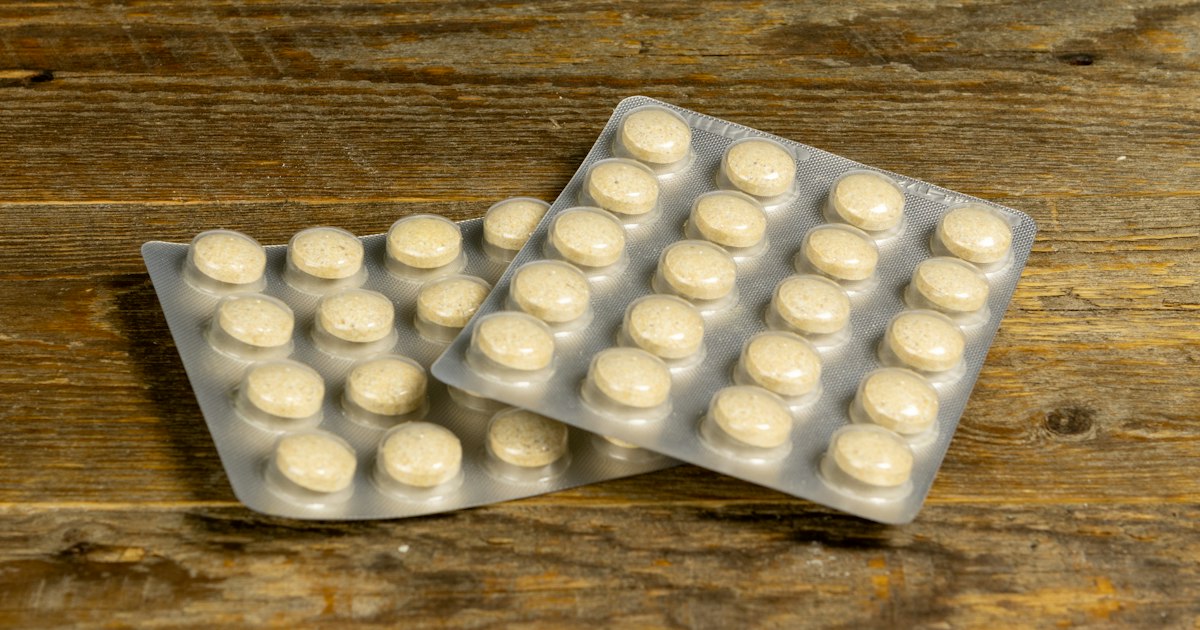
If an athlete nevertheless decides to take tribulus during a cut, it is sensible to choose a standardized extract from a trusted manufacturer with a certificate of analysis, follow the manufacturer's dosing, and honestly assess whether it provides any tangible benefit that cannot be explained by other changes.
Editorial conclusions
Tribulus has no evidence of an ability to maintain testosterone, speed up fat burning, or preserve strength during a cut. Controlled studies in trained people have not shown any advantage over placebo.
The drop in hormones during a cut is a consequence of an energy deficit, and it is resolved by properly managing the deficit, adequate protein, strength training, and sleep.
Money earmarked for tribulus is more rationally spent on protein or creatine, which have a convincing evidence base.
Also read our articles «Tribulus during a bulk: is there any point», «Tongkat ali during a cut: does it help», and «The history of Tribulus: how the supplement became popular».
References
- Helms ER, Aragon AA, Fitschen PJ. Evidence-based recommendations for natural bodybuilding contest preparation: nutrition and supplementation. J Int Soc Sports Nutr. 2014;11:20.
- Neychev VK, Mitev VI. The aphrodisiac herb Tribulus terrestris does not influence the androgen production in young men. J Ethnopharmacol. 2005;101(1–3):319–323.
- Rogerson S, Riches CJ, Jennings C, et al. The effect of five weeks of Tribulus terrestris supplementation on muscle strength and body composition during preseason training in elite rugby league players. J Strength Cond Res. 2007;21(2):348–353.
- Antonio J, Uelmen J, Rodriguez R, Earnest C. The effects of Tribulus terrestris on body composition and exercise performance in resistance-trained males. Int J Sport Nutr Exerc Metab. 2000;10(2):208–215.
- Ma Y, Guo Z, Wang X. Tribulus terrestris extracts alleviate muscle damage and promote anaerobic performance of trained male boxers and its mechanisms: roles of androgen, IGF-1, and IGF binding protein-3. J Sport Health Sci. 2017;6(4):474–481.
- Fernández-Lázaro D, et al. Effects of Tribulus terrestris L. on sport and health biomarkers in physically active adult males: a systematic review. Int J Environ Res Public Health. 2022;19(15):9533.
- Maughan RJ, Burke LM, Dvorak J, et al. IOC consensus statement: dietary supplements and the high-performance athlete. Br J Sports Med. 2018;52(7):439–455.
Andriy Melnyk
A strength-sports coach and author of programs for beginner and intermediate levels. Writes about training planning.